What is Sickle Cell?
Sickle cell is an inherited health condition that affects the red blood cells.
In someone with Sickle Cell, unhealthy red blood cells become sticky and change shape, causing them to get stuck and block blood flow. Picture a small ball rolling smoothly through a tube, that’s how healthy red blood cells move through our blood vessels, carrying oxygen around the body. Now imagine trying to roll a banana through that same tube - it would struggle to move and eventually block the passage.
That’s what happens when red blood cells take on the sickle shape. These blockages cause severe pain and can lead to the most serious complications such as infections, acute chest syndrome, and even stroke.
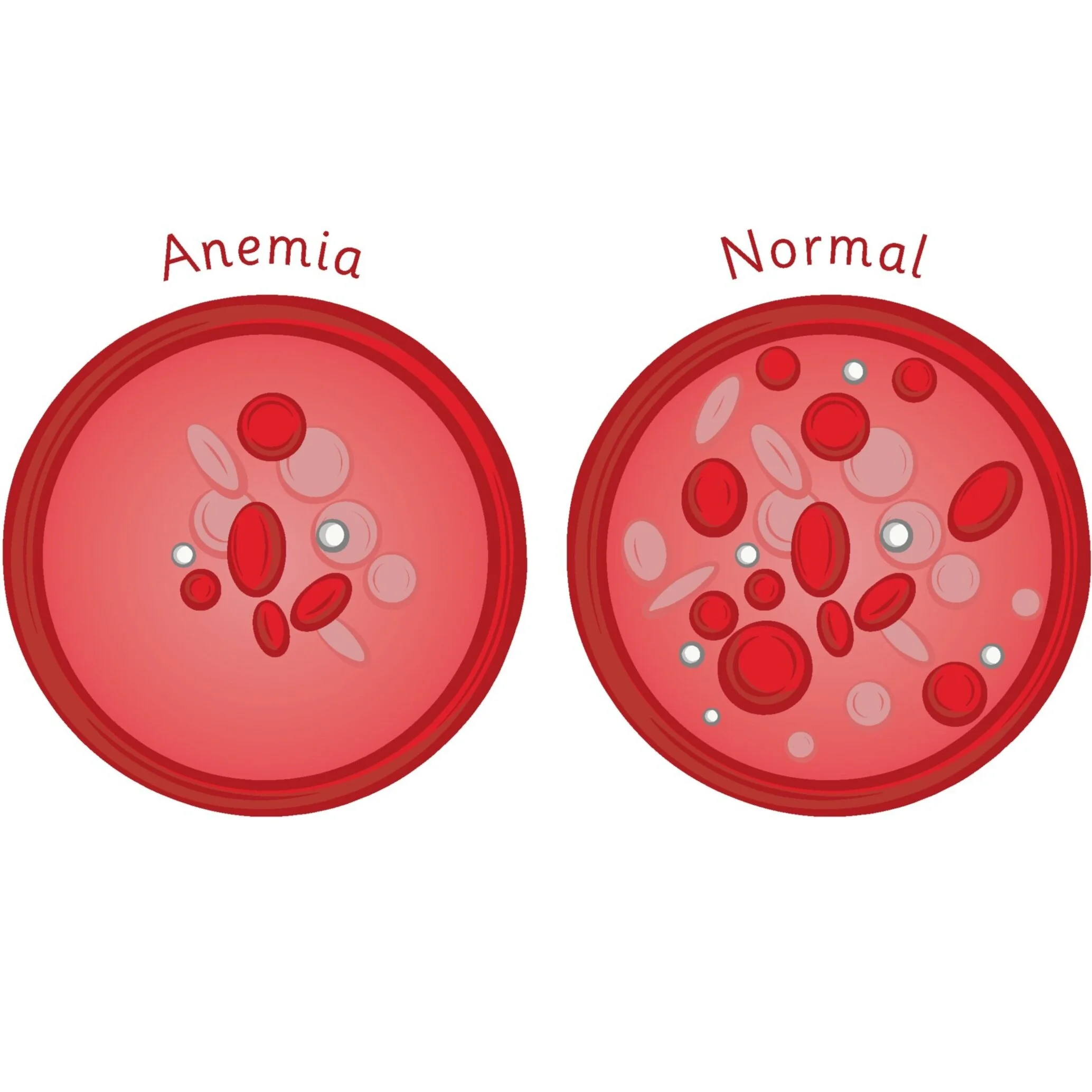
Red blood cells also have a much shorter lifespan in people with Sickle Cell, which leads to a shortage of healthy cells that causes anemia.
For far too long, not enough has been done to educate the system, fund research, or raise awareness about Sickle Cell, even though it’s the most common genetic condition in the UK. However, progress is being made through advocacy, education, and the voices of patients, families, and communities who continue to drive change.
Sickle Cell is a serious, lifelong condition, but with the right care, treatment, and understanding, many of the symptoms can be managed and those living with it can lead full, meaningful lives.
Knowing Your Genotype
As Sickle Cell is an inherited condition, it is VITAL to know your Genotype. Too many people in our community are unaware of theirs and this lack of knowledge continues to have life changing consequences for us. Every year, hundreds of babies are still being born with Sickle Cell in the UK simply because many parents never knew they carried the gene.
Some genotypes are not compatible with eachother, in particular SS + AS and other combinations, as they carry a 1 in 4 chance that a child may be born with Sickle Cell. Understanding your genotype gives you the power to make informed choices and helps break the cycle of unawareness that has affected so many families in the UK.
Sickle Cell is inherited when a child receives the Sickle Cell gene from each parent. Screening is done at birth through the heel prick test, and early pregnancy screening can also identify potential risks of a Sickle Cell diagnosis, that's how I learnt of my status and it was a shock.
Ideally, these conversations should start much sooner, within families, schools, and community spaces, so that young people grow up informed and empowered.
Sickle Cell is an incredibly challenging condition that requires ongoing care, awareness, and understanding. If you don’t know your genotype, I urge you to speak to your GP and ask for a simple blood test. It takes just a few minutes, but that one test could change a lifetime of outcomes.
Education is key - the more we know, the better we can protect future generations.


Is there a Cure for Sickle Cell?
The only current cures for Sickle Cell are stem cell or bone marrow transplants, which are typically reserved for the most severe cases. The procedure carries significant risks, so it is important to know it's not an option for everyone.
Ultimately, people living with Sickle Cell will need ongoing treatment throughout their lives, making it essential to take care of their health and wellbeing. This includes managing stress, eating a balanced diet, staying well hydrated, and keeping up with regular medical care and appointments.
Daily antibiotics are often prescribed to reduce the risk of infections, as Sickle Cell can compromise the immune system.
Research into new therapies are ongoing, but Sickle Cell remains underfunded and underrepresented, particularly within communities that are most affected. Raising awareness, promoting education, and advocating for more research are vital steps toward improving outcomes and supporting those living with this condition.